As far as natural remedies go, most earthing techniques are pretty low-risk. But there are exceptions that prove grounding the rule. Here are a few things to consider before making earthing part of your mental health hygiene routine.
Health and safety concerns
The safety hazards associated with earthing are probably pretty obvious, but let’s review them anyway.
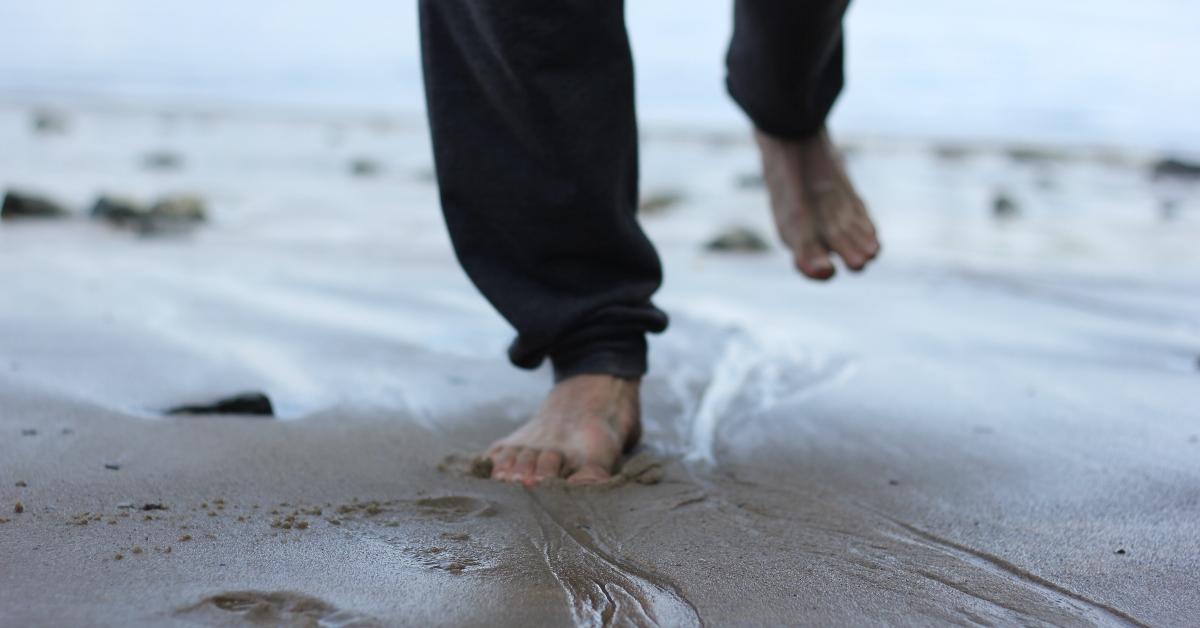
Humans invented shoes for a reason: They protect our feet. If your earthing practice involves walking around barefoot, you’re risking injury, allergic reactions and infections.
If balancing on uneven terrain is difficult for you, practice earthing sitting down or standing still.
Just like camping and hiking, you should always be prepared for the possibility of an accident or emergency while earthing. And it’s especially important to bring plenty of water with you to prevent dehydration.
If swimming is your earthing technique of choice, the primary risks are contracting a waterborne infection and drowning. Choose your location carefully, follow water swimming safety precautions and be sure to check weather conditions before taking the plunge.
Mindfulness is all about being aware of your surroundings, so trust what you’re sensing. Don’t hesitate to leave an area if it feels unsafe.
Indoor grounding products have to be plugged into a grounded electrical outlet. Never use them during a thunderstorm — they pose an electrocution risk in the event of a lightning strike. Earthing advocates also recommend having an electrician check any outlet you plan to use with grounding devices, as faulty wiring could result in electric shock.
Earthing is a practice that’s accessible to pretty much everybody. After all, it’s hard to be completely removed from the natural world, even today. But while earthing is accessible, it’s not always advisable.
Some earthing techniques may be off-limits — or require extra caution — if you have chronic medical conditions. Be sure to check with your provider before you start earthing, especially if you have:
Podiatric health issues. If you have a foot condition, check with your podiatrist to see if barefoot walking is safe.
Nerve damage. If you have reduced sensation in your feet, you might not notice minor injuries that happen when walking barefoot outdoors. The same goes for electrical burns or shocks from a faulty grounding mat.
Allergies. People with life-threatening allergies to insect bites and stings may need to avoid outdoor earthing. Watch your step when walking barefoot outdoors and be sure to carry an epi-pen if anaphylaxis is a concern.
Pregnancy. If you plan on earthing during your pregnancy, be extra cautious. There are many contaminants and infectious organisms in soil that could impact fetal development.
Immune system issues. If your immune system is compromised, touching soil or swimming in a natural body of water could raise your risk of an infection.
Earthing websites often advise that earthing may make you feel worse before it makes you feel better. If you experience flu-like symptoms or find the sensation of using indoor earthing products unpleasant, stop.
 Site Title
Leave a comment